Instagram Follow/Unfollow: Does It Work? 5 Limits
Quick answer
Instagram follow/unfollow means following target accounts, then unfollowing those who did not follow back. It tends to bring few followers who engage, can lower your engagement rate and repeats actions Instagram can restrict. Instagram does not publish its follow limits.
- Reels can reach people who do not follow you yet.
- A clear photo, bio and one link help the profile convert visitors.
- Collab posts show one post to two audiences, with both sides agreeing.
On this page7 sections
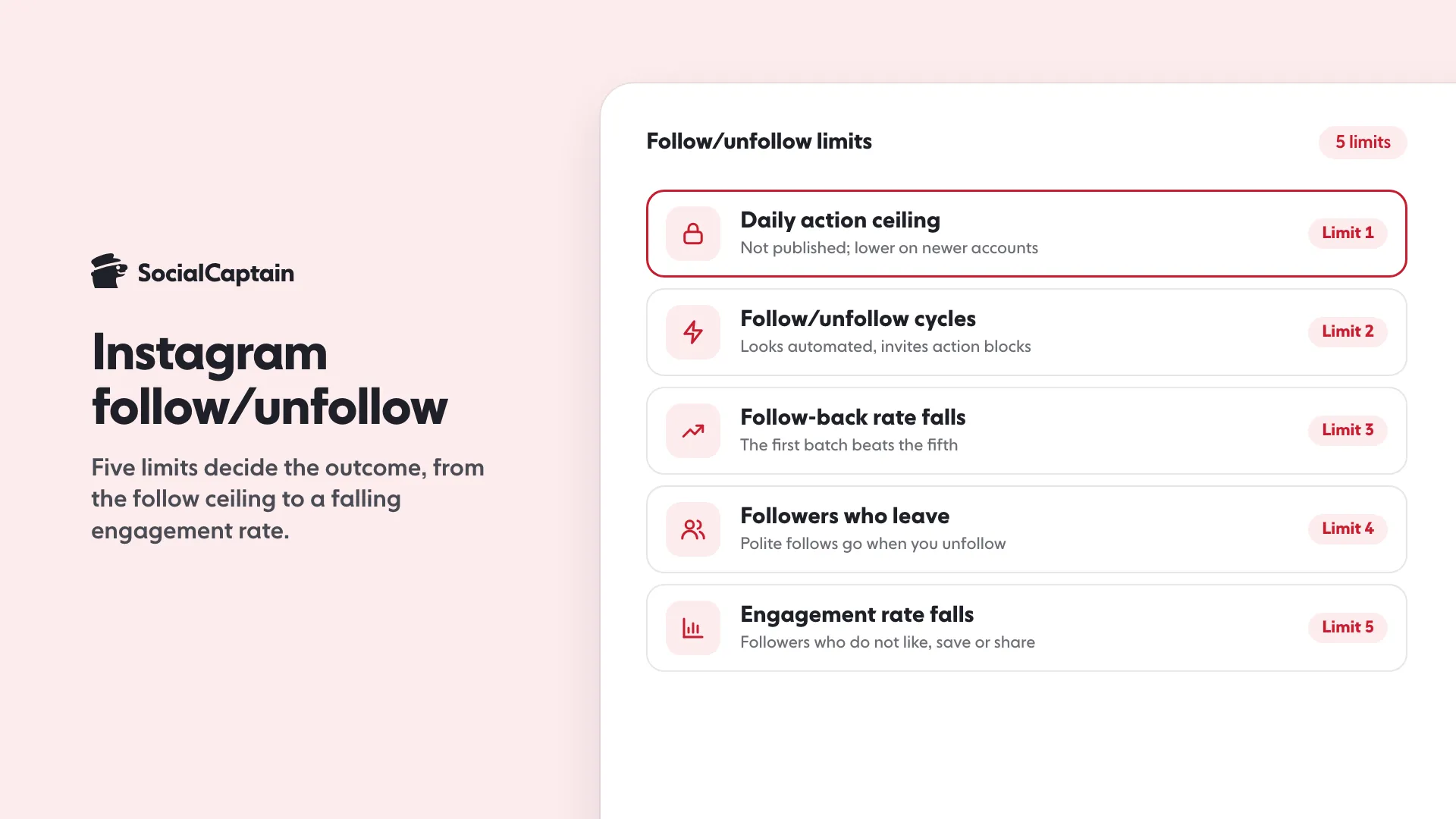
Follow/unfollow on Instagram means following accounts in your target audience, waiting a few days, then unfollowing everyone who did not follow back. It works weakly and costs a lot: 5 limits decide the outcome, from the follow ceiling to a falling engagement rate. If you are weighing it against making content, the honest answer is that the followers it brings rarely engage, and the actions it needs are the same ones that can get an account restricted.
What is the follow/unfollow method?
The method has three steps:
- Find accounts that follow similar profiles in your topic.
- Follow a batch of them, so each one gets a notification and a profile visit.
- After a few days, unfollow the ones who did not follow back, keeping your following count low.
The idea is that a notification is a free advertisement. The problem is that it is an advertisement people have seen before, and the pattern is easy to spot.
Does it still work in 2026?
Partly, and not in a way that pays. A small account can gain a trickle of followers this way, because a profile visit still converts some people. What it cannot do is build an audience that stays.
Three reasons:
- The follow-back is a favour, not an interest. Some people follow back to be polite and never look at the account again.
- The unfollow breaks the deal. When you unfollow, a share of those followers notice and leave.
- The pattern is visible. An account that follows 400 people and has 120 followers looks like a strategy, not a community.
The method also competes with a limit you cannot see: Instagram’s own thresholds for following actions. They are not published, which makes planning around them guesswork.
Which 5 limits trigger restrictions?
Limit 1: The daily action ceiling
Accounts report that Instagram blocks actions such as following when they come too fast, and that the ceiling is lower on newer accounts. We found no Instagram page that gives a number or says how long a block lasts.
You find the ceiling the way everyone does: by hitting it. The message that appears is an action block.
Limit 2: Rapid follow and unfollow cycles
Following a large batch and unfollowing it two days later is the pattern that looks automated, because it is the pattern automation produces. Repeating it invites further action blocks, and if the follows come from a third-party app, Instagram says it removes that activity and the account may see its experience affected.
Limit 3: The follow-back rate collapses
The first batch works better than the fifth. People in your topic see the same accounts cycling through their notifications, and the ones who already ignored the first follow will not act on the fourth.
This is why the method needs constant volume to keep producing the same result, and why volume is exactly what triggers Limit 1.
Limit 4: Followers who leave
When you unfollow, the polite follows go with it. An account can spend an hour a day on the method and end the month with a follower count that rose by fewer people than it lost.
Worse, the leavers pull your follower count back down, so the graph looks like an account in trouble.
Limit 5: The engagement rate falls
Engagement rate divides interactions by followers. Followers who followed back as a favour do not like, save or share. The rate drops, and posts that get little response tend to reach fewer people.
That is the real cost: the method adds accounts to your follower count and removes reach from your posts. The engagement rate calculator shows the number moving.
Why do followers from it rarely engage?
Because they never chose the content. They chose to clear a notification.
An engaged follower arrives for a reason: a Reel that answered a question, a carousel worth saving, a profile that describes their own problem. That follower watches the next post. A follow-back follower sees one post in a notification and moves on.
The difference shows up in how people react to your posts: watching, liking, commenting, saving and sharing, the signals Instagram says it uses to rank posts. Following someone does not create those.
What are better ways to earn follows?
- Post the format that reaches strangers. Reels can carry an account beyond its followers, because they are shown to people who do not follow you yet.
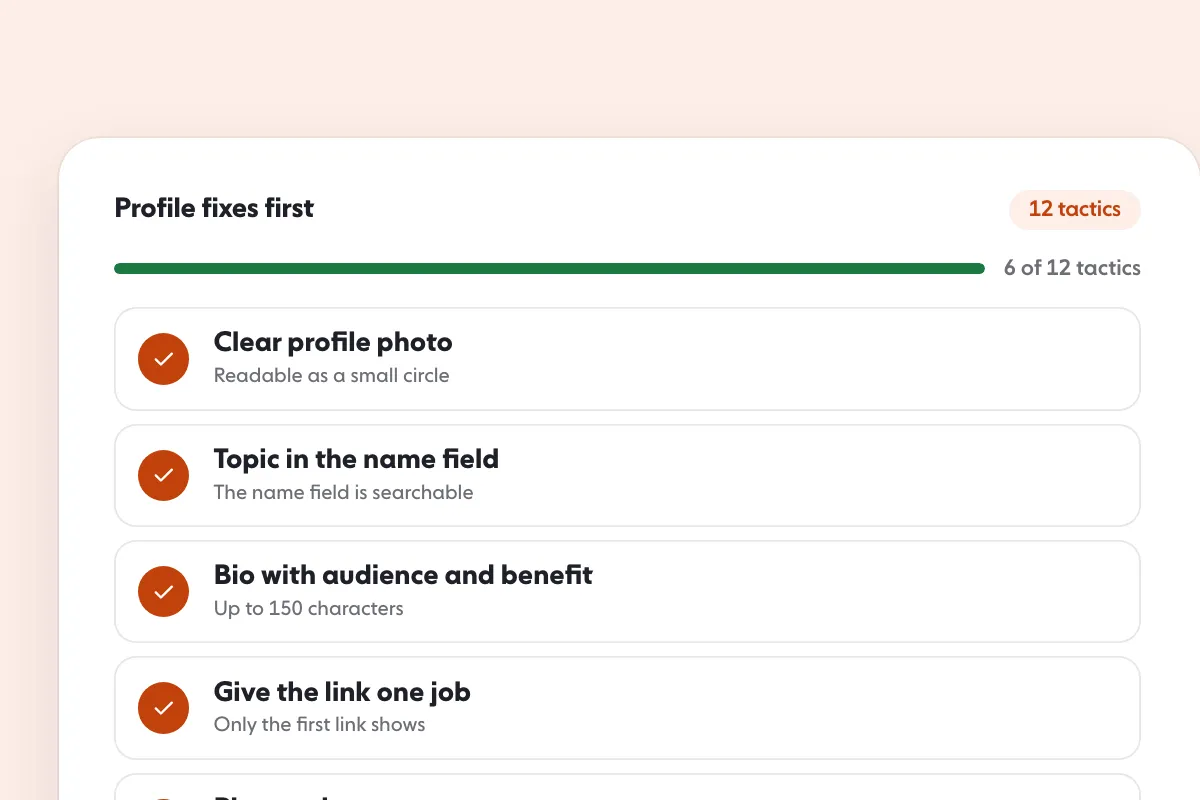
- Make the profile convert. Photo, name field, bio and one clear link. The first five tactics in How to Get More Instagram Followers: 12 Tactics That Work are profile fixes.
- Reply and comment like a person. Twenty minutes a day on accounts in your topic, with comments that show you read the post.
- Use collab posts. One post on two profiles reaches both audiences, and both sides agree to it.
- Add paid reach last. A growth plan shows your profile to a chosen audience of real people. We run one: SocialCaptain, where you share a username and pick the audience, and a dashboard shows progress. We never ask for your password. See pricing.
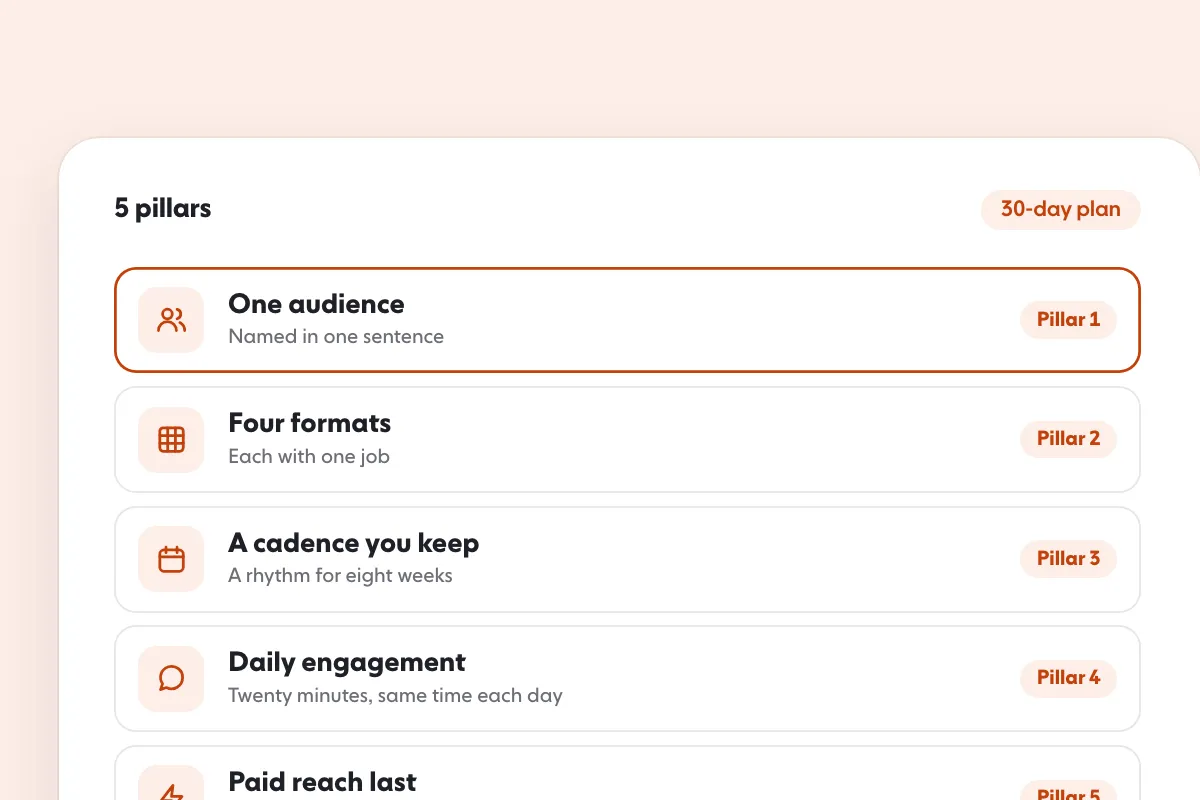
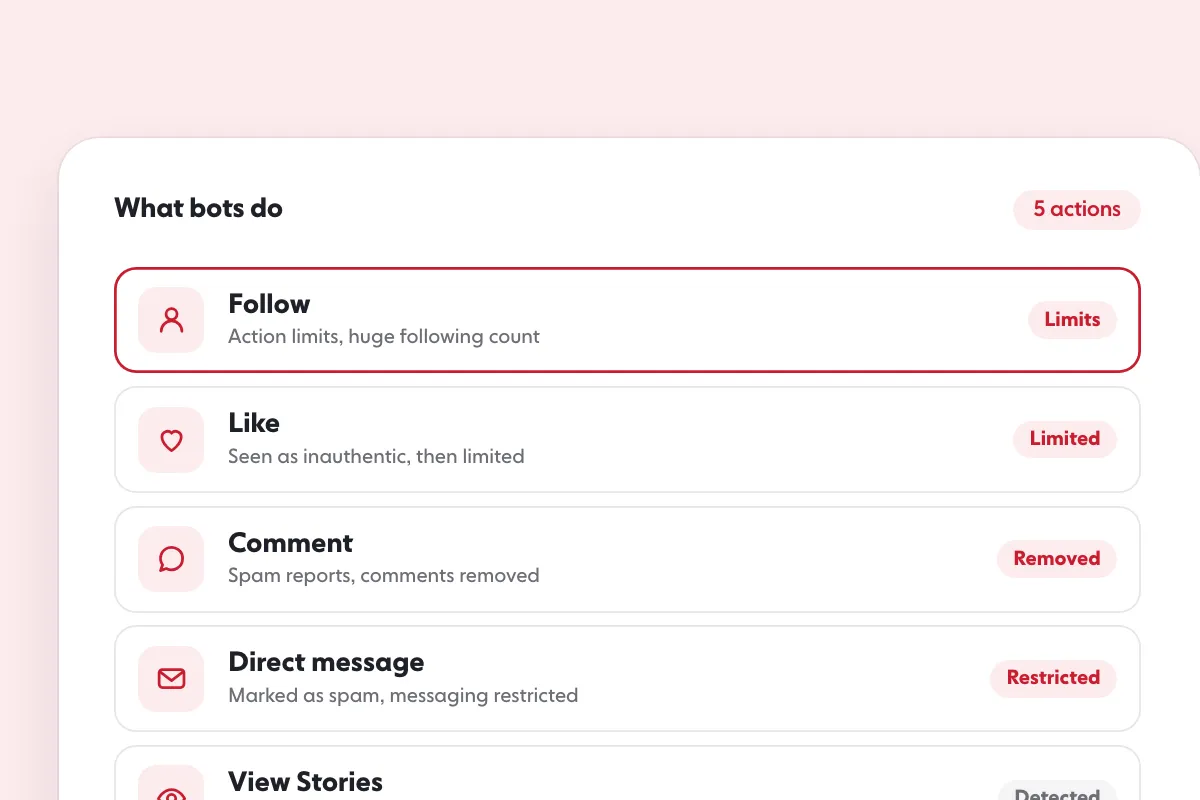
If you want the automated version of follow/unfollow, it is worth reading what automation does to an account first: Instagram Bots: 5 Things They Do and the Risks of Each. The plan that replaces the method with something you can measure is in Instagram Growth Strategy: 5 Pillars and a 30-Day Plan.
FAQ
Does the follow/unfollow method still work on Instagram?
It can produce a few followers, slowly, mostly on small accounts. The people who follow back because you followed them rarely engage, many leave when you unfollow, and repeating the pattern is what triggers Instagram’s action limits.
What is the follow/unfollow method?
Following accounts in your target audience to get a notification and a profile visit, waiting a few days, then unfollowing the ones who did not follow back, so the following count stays tidy while the follower count grows.
Is follow/unfollow against Instagram’s rules?
Following people yourself is normal use. Using a third-party app to follow at volume is different: Instagram says apps that generate inauthentic likes, follows and comments violate its Community Guidelines, that it removes that activity, and that accounts which keep using them may see their experience affected. Its Terms of Use also ban accessing Instagram in an automated way without permission.
How many people should you follow a day?
We found no daily figure on Instagram’s pages, and accounts report different limits. If Instagram shows an action-blocked message, you have passed it. A new account should stay well below the point where the message appears.
What works better than follow/unfollow?
Posts that people send to a friend, a profile built to convert visitors, and replies on other accounts in your topic. Those add followers who stay, which is the only growth that changes the numbers that matter.
Sources
- Terms of Usehelp.instagram.com
- Removing Fake Likes, Follows & Commentsabout.instagram.com
Related guides
Follower growth
How to Get More Instagram Followers: 12 Tactics That Work
Follower growth
Instagram Growth Strategy: 5 Pillars and a 30-Day Plan
Growth services
Instagram Bots: 5 Things They Do and the Risks of Each
Written by Clara Ivens
Instagram growth editor
Clara Ivens covers Instagram growth on the SocialCaptain blog: followers, Reels, hashtags, bios, captions and how reach works. Each guide follows Instagram's own help pages and announcements, and lists its sources at the end.
All articles by Clara Ivens


